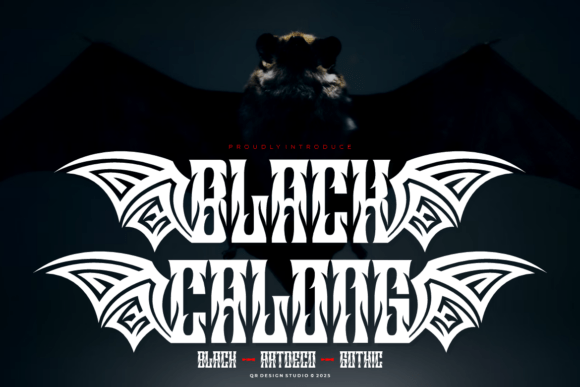
Black Calong: A Bold Blackletter Font for Commanding Campaigns
I was finalizing the visual assets for a limited-edition product launch when I stumbled upon Black Calong. As a marketing designer, I’m always on the lookout for typefaces that can elevate a campaign’s impact without compromising clarity. Black Calong, with its sharp tribal wing motifs and carved-out inner strokes, immediately stood out as a strong contender for this high-stakes project.
A Fierce Typeface with Tribal Roots
Black Calong is more than just a blackletter font—it's a statement. Infused with gothic, tattoo, and tribal aesthetics, it carries an air of authority and raw energy. Its design feels like it was etched into stone or inked onto skin, making it ideal for brands that want to project strength, rebellion, or a deep connection to heritage.
The font’s visual style leans heavily into contrast. The bold outer strokes and hollowed-out inner lines create a dynamic interplay of light and shadow. This makes it incredibly eye-catching in both print and digital formats. Whether you're designing a YouTube thumbnail or a Pinterest pin, Black Calong has the power to stop a scroll in its tracks.
Real-World Use in Campaign Design
During the product launch, I used Black Calong for the main headline on a digital ad layout. It worked exceptionally well against dark backgrounds, where the negative space within the letters added depth and intrigue. For mobile previews, I paired it with a clean sans serif font for body text, which balanced the intensity of the headline without overwhelming the viewer.
On Instagram, I created a series of posts using Black Calong for captions and callout text. The font’s edgy character resonated with the target audience—fitness enthusiasts who appreciated bold, no-nonsense messaging. The same font was used for a webinar banner promoting a course on advanced graphic design, where it helped establish a tone of expertise and confidence.
In a YouTube thumbnail set, Black Calong became the focal point for a video titled “Tribal Design Trends 2025.” The sharp edges and tribal motifs aligned perfectly with the content, making the thumbnail instantly recognizable and engaging.
Readability and Practical Considerations
While Black Calong is undeniably striking, it’s important to use it strategically. On small screens or in fast-scrolling feeds, it works best for short headlines, logos, or decorative titles. I found that longer copy or dense information didn’t translate well with this font, as the intricate details could become difficult to read at smaller sizes.
For maximum readability, I recommend pairing Black Calong with a clean sans serif font like Helvetica or Arial for supporting text. This creates a strong visual hierarchy while keeping the message clear and accessible. When working with dark backgrounds, ensure there’s enough contrast between the text and the background to maintain legibility.
It’s also worth noting that Black Calong comes with a range of styles, including alternates and ligatures, which allow for creative flexibility in design. Before using it in ads, templates, or merchandise, check that the font supports your language and that you have the appropriate commercial license.
When to Use and When to Avoid
Black Calong shines in campaigns that demand attention and want to convey a sense of power, authenticity, or cultural depth. It’s perfect for sale announcements, product teasers, quote graphics, and branded templates that need a touch of edge.
However, it may not be the best fit for long-form content, formal corporate communication, or situations where minimalism and clarity are priorities. In those cases, a more restrained typeface would serve the message better.
Its tribal and gothic influences make it especially effective for niche markets such as tattoo studios, outdoor gear brands, or lifestyle content focused on adventure and self-expression.
Overall, Black Calong is a versatile yet powerful addition to any designer’s toolkit. It brings a unique personality to promotional visuals, helping brands stand out in crowded digital spaces. When used thoughtfully, it can enhance brand recognition, engagement, and the overall visual storytelling of a campaign.